
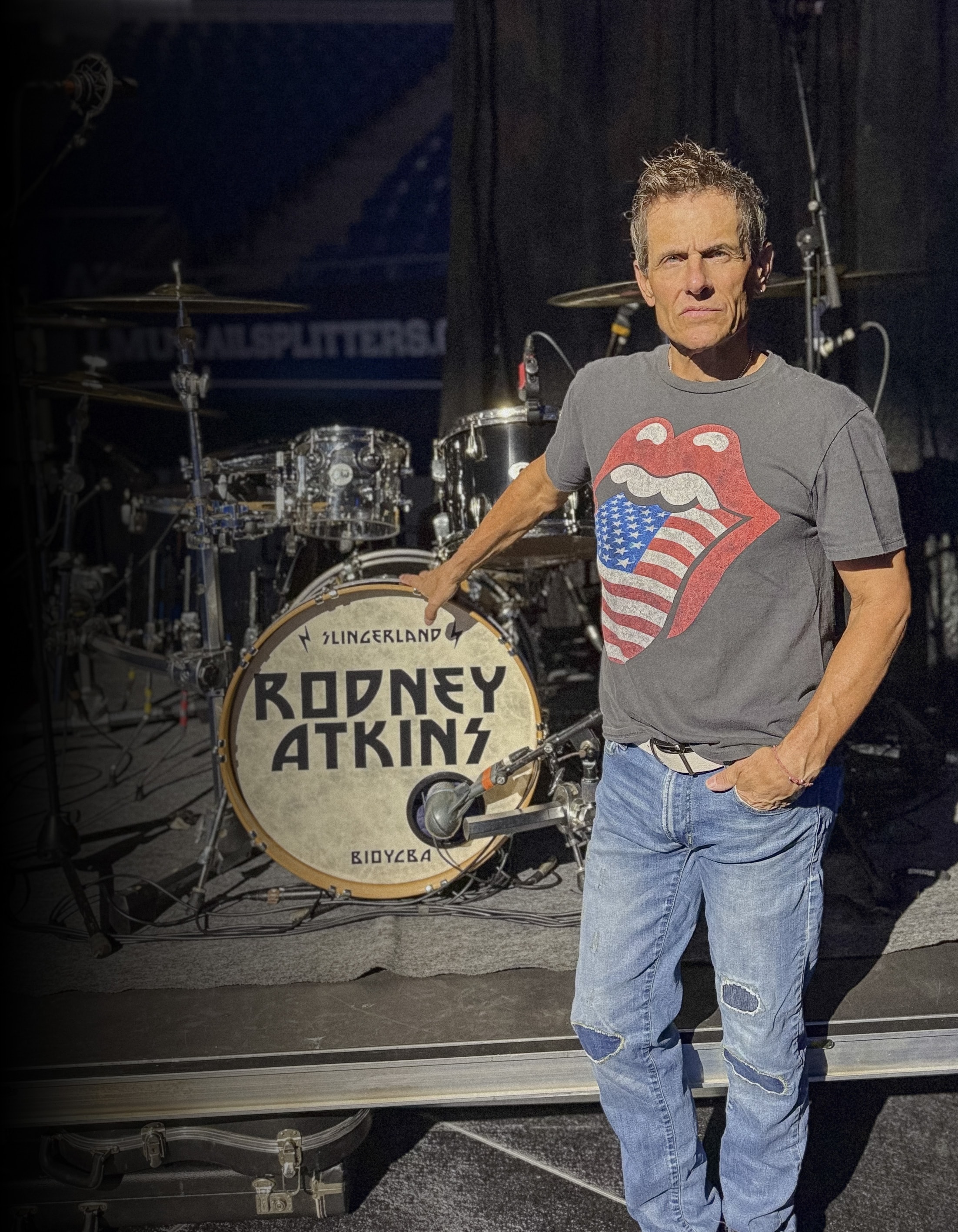
Slingerland Soundcheck
Kevin Rapillo: Packing A Bag For Tonight's Bus
With one foot in his Nashville studio and the other out on the road with Rodney Atkins, Kevin Rapillo reflects on life between sessions, tour buses, and the Slingerland drums that brought him full circle.
BY JUSTIN LISA // OCTOBER 1, 2026
JL: Tell us a little about yourself and how you started playing with Rodney Atkins.
KR: I’m Kevin Rapillo, based in Nashville. I moved here from Boston in the early 2000s, after the rock scene changed and we lost our record deals. I had songwriter friends here, started visiting, and got into the mix. Rodney was one of the guys who kept calling me back. Then “If You’re Going Through Hell” came out in 2006, and he had four consecutive number ones off that record. I thought, “Okay, I guess we’re working!” We’ve been at it ever since.
JL: Where are you right now, and where are you headed next?
KR: I’m in my home studio in Nashville, packing a bag for tonight’s bus. Country touring is often long weekends: leave Thursday, play through Saturday, and get home Sunday or Monday. Next, we’re heading through Virginia, Maryland, Tennessee, and Kentucky. I love getting on the bus and waking up in the next spot.
JL: Any recent stories from the road?
KR: Last week we went from a giant West Coast festival to headlining a county fair, then played an acoustic show on a boat cruising San Francisco Bay. I was looking at Alcatraz, trying to stand on one foot and play a little stand-up kit while the boat rocked! For some people, that unpredictability is a nightmare. For me, it’s super fun. Being ready for anything keeps my head in the game.
“My first kit was a Slingerland, so it feels like I'm going out the way I came in.”
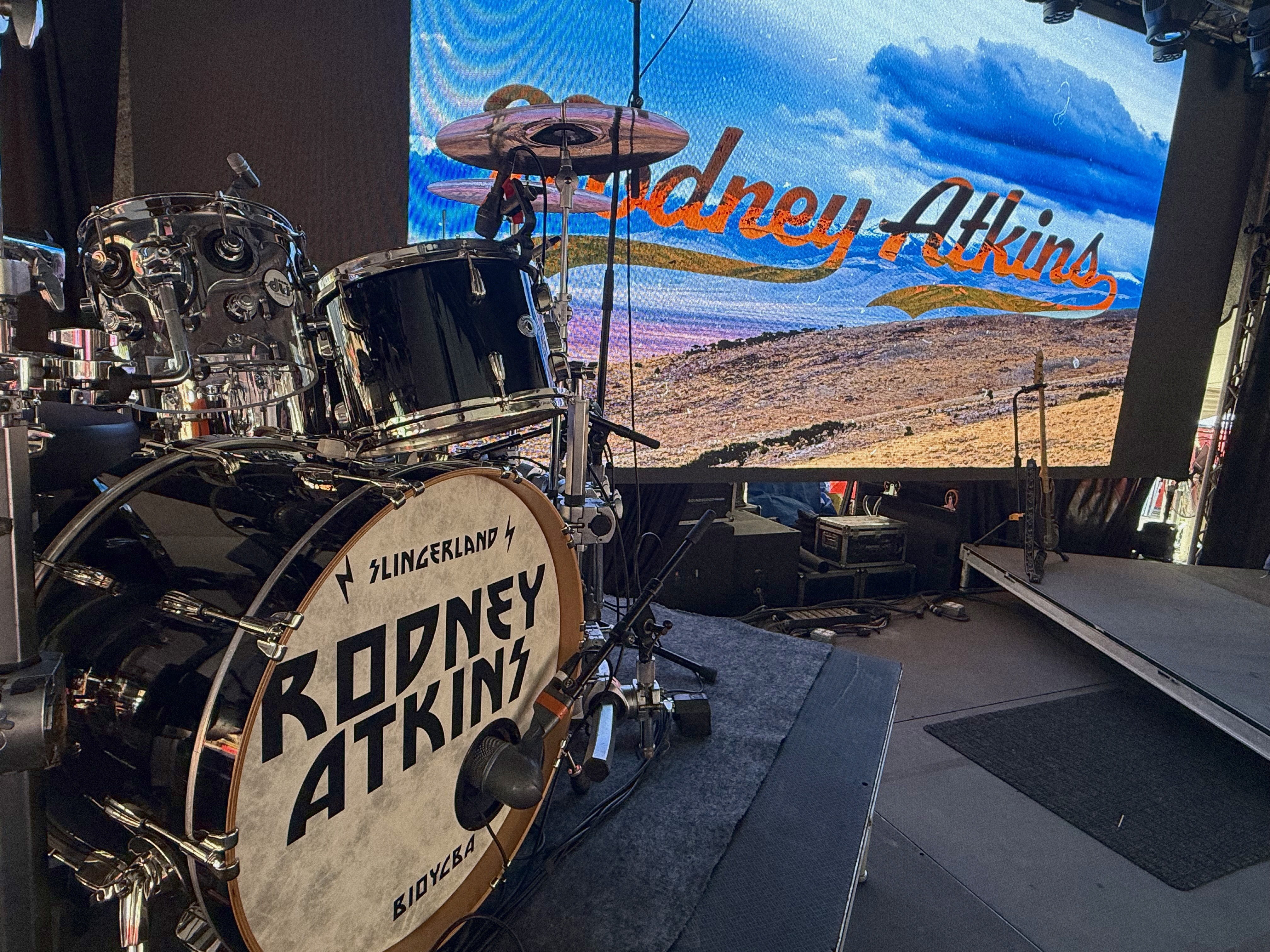
JL: What’s your current Slingerland setup?
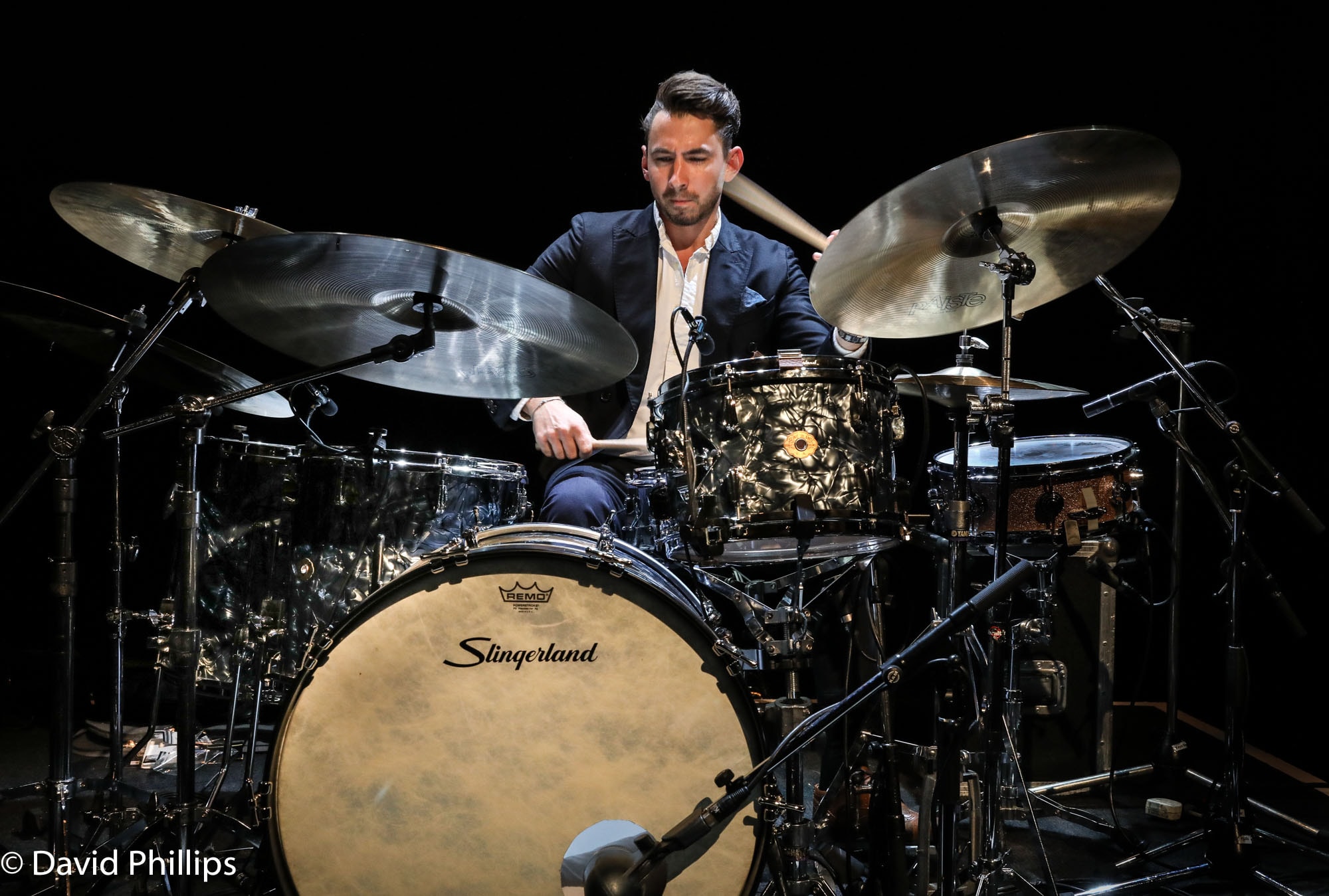
KR: I’m playing Studio Kings: a 22-inch kick, 13-inch rack tom, and 14- and 16-inch floor toms, in black lacquer. You can’t go wrong with that—classic forever. I’m a kid of the ’70s, so I went with the Studio Kings for that thicker-shell, and punchy feel I grew up with. My first kit was a Slingerland, so it feels like I’m going out the way I came in.
JL: What first connected you to Slingerland?
KR: My dad bought me a brand-new Slingerland kit in the late ’70s, when I was about 13. That was a big deal—a serious instrument. My great-uncle was a drummer who played Slingerland back in the ’40s and knew Gene Krupa and those guys. I grew up with his stories and photos. There’s a signed picture of Gene thanking my great-grandmother for a spaghetti dinner, and I still have my uncle’s original Radio King snare from the late ’30s or early ’40s. Slingerland was the only choice for me.
“Slingerland was the only choice for me.”
JL: What do you enjoy most about the Studio Kings, both behind the kit and through the PA?
KR: The feel is great—the sticks almost fly off the drums. They’re fun to play, and the attention to detail is excellent. But what really surprised me is how they translate through the mics. Front-of-house and monitor guys have told me, without me asking, “Those drums sound killer.” They’ve got punch and tone, and they fill the right space. Put a head on that 13”, tune it up, and it just goes. I don’t want to fuss with a drum.
JL: How did you feel when you heard Slingerland was coming back?
KR: I was so happy. I emailed right away and said, “I’m just this guy in Nashville. It’s where I started. I’m excited about it. I’m in.” I’ve never taken gear I wasn’t going to use or wasn’t into. It’s always been about the people and the instruments I love. I just wanted to be on board.
"For some people, that unpredictability is a nightmare. For me, it's super fun. Being ready for anything keeps my head in the game."
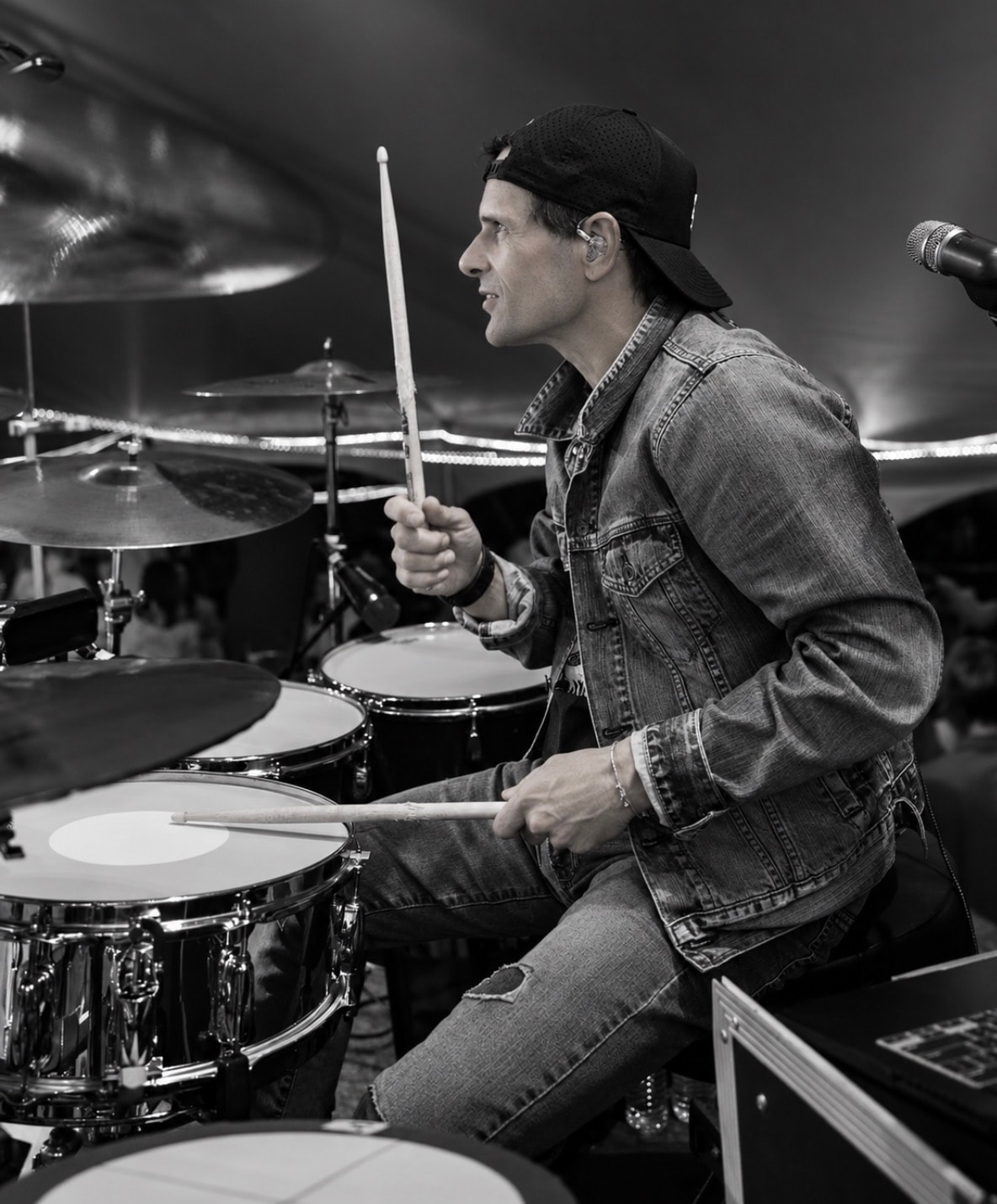
JL: What does your home-recording process look like?
KR: Friends send tracks with a drum-machine loop, a tempo, or sometimes specific fills. I love clear direction: tell me what you want. Then I record live drums and send back the raw tracks. I use Pro Tools, with about 14 mics ready in a template, so I can get straight to playing and adjust the snare, cymbals, or muffling for the song. Sometimes I send a photo of my faders: start with kick, snare, and a little room mic. The extra mics give you choices—you don’t have to use them all.
JL: What keeps you connected to your rock ’n’ roll roots?
KR: I play in the Amplifier Heads with my buddy Sal in Boston, who was in The Stompers. We’ve got a new record out, and Little Steven’s Underground Garage is playing it. It’s straight-ahead rock ’n’ roll, and it keeps me engaged in a different way. I do a lot of songwriter tracks at home, too. Some stay as demos, and sometimes my drums make it onto the final release.
JL: What would you tell a drummer trying to find their place in Nashville?
KR: You’ve got to find your own way. I can tell you my story, but the town has changed so much. I wanted to play with interesting songwriters, even when those gigs didn’t pay, so I had a day job to cover rent. I got here and I found my people and I just kept going. Funny enough, I still feel like the new guy, surrounded by these incredible players. I’m still trying to figure it out.
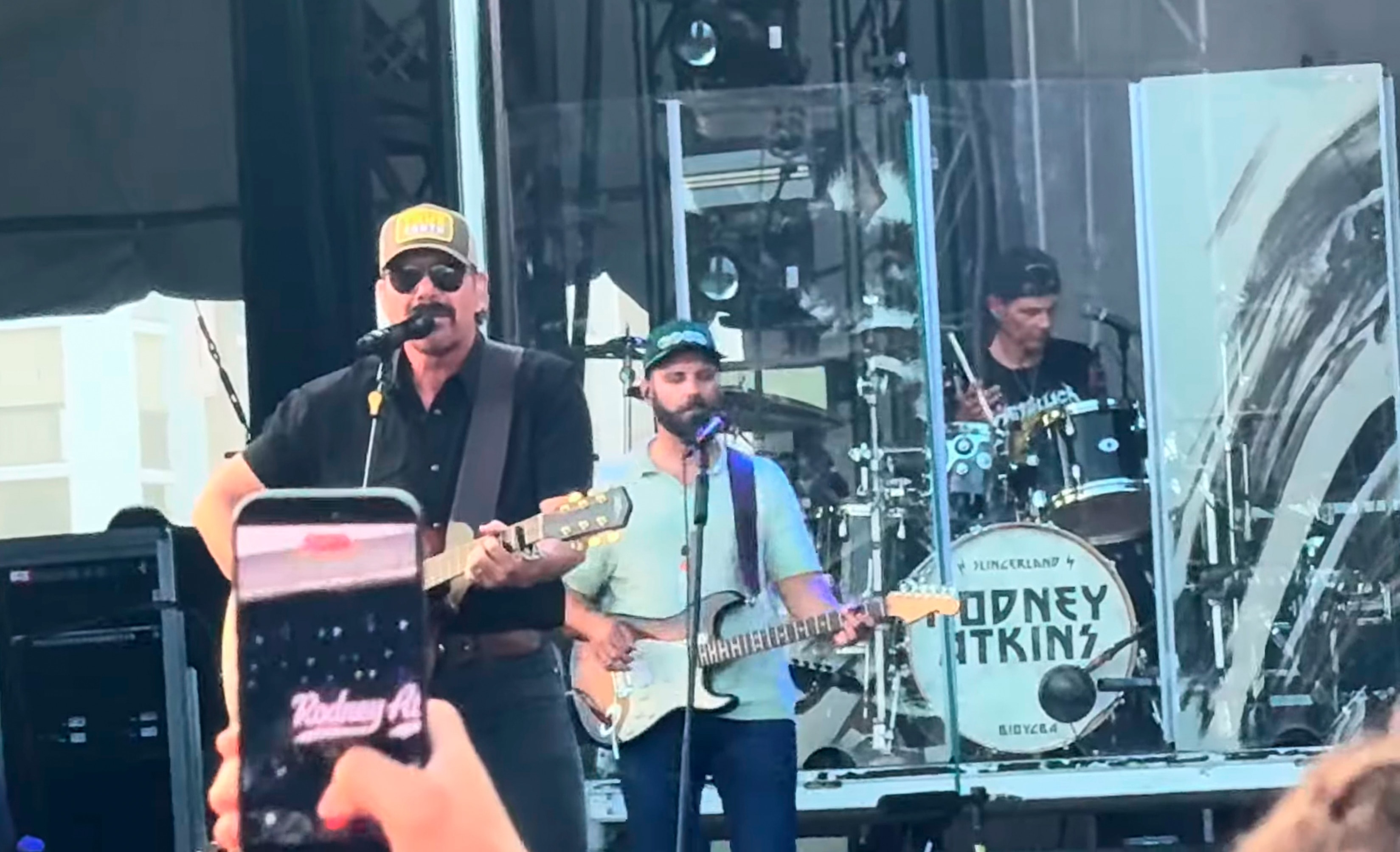
Rodney Atkins - Watching You LIVE 6/12/26
Recommended for you
Ed "Roddy" Richardson: Throw A Dart At The Map
Slingerland Soundcheck

EP 1: Griffin Goldsmith
Slingerland Timekeepers

Studio King Outfit
Next in the legacy.

LA LOM - Café Tropical
Slingerland Sessions

Snare Drums
Timeless sound, modern craft.

Parts and Accessories
Your classic drums. Reborn.

About Slingerland
Welcome to the legacy.